Mould Illness
What is mould illness?
Mould illness is a condition caused by exposure to mould spores and mycotoxins, the toxic compounds produced by mould which are hazardous to human health. It can trigger immune, neurological and inflammatory symptoms, particularly in individuals who are more sensitive to biotoxins.
Mould illness is an increasingly recognised condition that can have a significant impact on a person’s overall health and daily life.
Exposure to mould, particularly from water-damaged buildings, can trigger an immune response in the body. This often involves the release of histamine and inflammatory cytokines as the body attempts to protect itself from harmful mould spores and mycotoxins.
Whilst some people tolerate mould exposure with minimal symptoms, others are far more sensitive and may develop complex, chronic health issues. Reasons for this can include genetics, other comorbidities and the level of exposure.
Common Symptoms of Mould Illness
Mould-related illness can present in many ways, depending on the duration and level of exposure, as well as individual susceptibility.
Acute or early symptoms may include:
- Brain fog and poor concentration
- Headaches
- Fatigue
- Sinus congestion, runny nose
- Sore throat
- Irritated, red or watery eyes
- Cough, wheezing or asthma
- Skin rashes or eczema
Those with allergies, asthma, gut issues or pre-existing immune dysfunction, as well as children, may be more vulnerable to these effects.

Mould Illness, Histamine & MCAS
Prolonged exposure to mould can dysregulate the immune system and contribute to MCAS (mast cell activation syndrome), whereby the body releases excessive histamine. This can lead to symptoms such as:
- Food sensitivities
- Bloating, diarrhoea, abdominal pain
- Nausea
- Anxiety and insomnia
- Rapid heart rate or low blood pressure
- Chronic sinus congestion
- Shortness of breath or throat tightness
In these cases, the body struggles to keep up with histamine breakdown, leading to ongoing inflammatory symptoms.
Mould Illness & CIRS
In some individuals, mould exposure can trigger a more complex condition known as Chronic Inflammatory Response Syndrome (CIRS).
CIRS is a multi-system condition. It occurs when the body is unable to effectively clear biotoxins (such as from mould), leading to a persistent inflammatory response. This may be influenced by genetic susceptibility (such as HLA-DR variations).
Symptoms can be widespread and systemic, and may include:
- Severe, persistent fatigue
- Joint pain and stiffness
- Cognitive impairment, confusion and memory issues
- Tingling, numbness or “buzzing” sensations
- Chronic headaches or migraines
- Tinnitus &/or vertigo
- Mood changes or anxiety
- Digestive disturbances incl. abdominal pain, diarrhoea
- Difficulty regulating body temperature
- Excessive thirst
- Night sweats
- Metallic taste
These symptoms are often labelled as conditions such as chronic fatigue syndrome, fibromyalgia or POTS. However it is crucial to determine whether mould illness is behind the symptoms in order to treat effectively.
Mould-related illness and CIRS are becoming increasingly common in Australia, particularly in flood-affected or high-humidity areas.
Testing for Mould Illness
Testing can be an important part of identifying whether mould exposure is contributing to your symptoms and for guiding appropriate treatment.
Commonly used tests include:
- Visual Contrast Sensitivity (VCS) testing – a simple, non-invasive screening tool that can detect neurological impacts associated with biotoxin exposure
- Urinary mycotoxin testing with environmental pollutants and organic acids – helps identify exposure to mould toxins and assess detoxification capacity
- Comprehensive Blood Panels – may include inflammatory markers and immune indicators associated with mould illness
Testing is always considered alongside your symptoms, history and environmental exposure.

The Naturopathic Approach to Mould Illness
A personalised and gentle, step-by-step approach is essential when supporting mould illness. The goal is not only to reduce symptoms, but to support the body’s ability to safely process and eliminate toxins.
Treatment may include:
- Supporting gut health and microbiome balance – important for DAO production and histamine regulation
- Enhancing liver detoxification pathways – to help facilitate removal of mould mycotoxins and biotoxins
- Optimising bile flow – to optimise detoxification
- Supporting histamine breakdown – to reduce symptom load
- Using binders – to assist in toxin removal
- Reducing inflammation and calming the immune system
- Nervous system support as stress can worsen symptoms
The Most Important Step: Removing Exposure
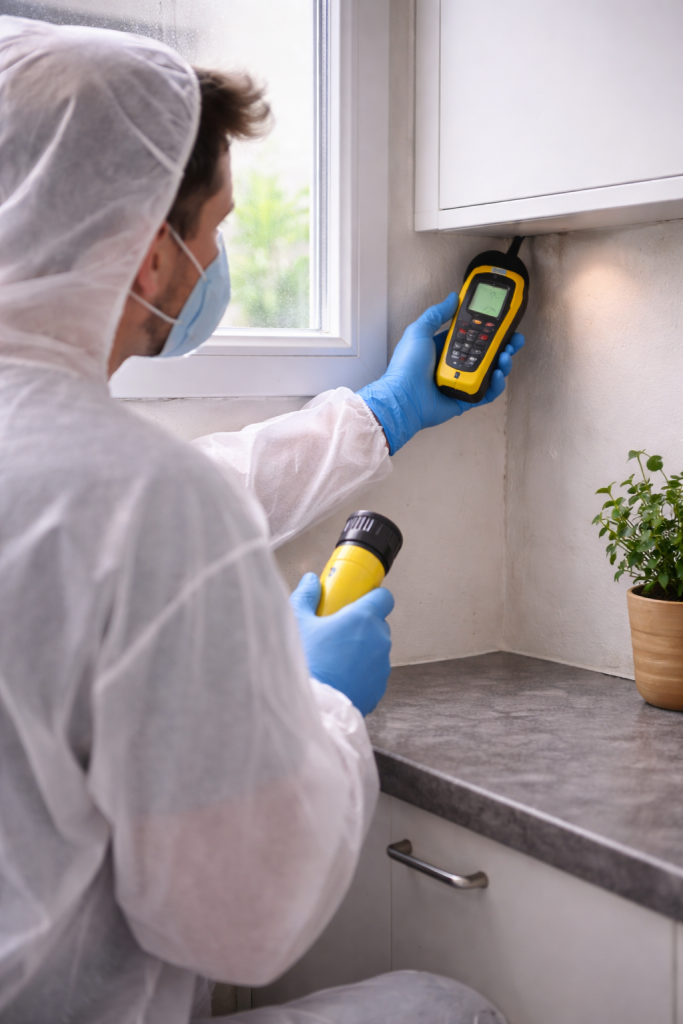
One of the most critical, and often most challenging, aspects of recovery is eliminating ongoing mould exposure.
This may involve:
- Leaving a water-damaged environment
- Professional mould remediation
- Addressing hidden mould sources in the home
For many people, this step can be emotionally and financially difficult. However, without removing the source of exposure, symptoms often persist despite treatment.
Support and guidance through this process is an important part of care.
Frequently Asked Questions (FAQs)
How do I know if mould is affecting my health?
There is no single symptom that can tell you whether mould is affecting your health. Some people may experience symptoms such as fatigue, brain fog, headaches, sinus or respiratory symptoms, increased allergies, sleep disturbance, skin symptoms or changes in mood.
One of the important clues can be the pattern of your symptoms. For example, you may notice that symptoms develop or worsen after spending time in a particular home, workplace or other environment, and improve when you are away from it. However, these symptoms can have many possible causes, so they should not automatically be attributed to mould.
A thorough health and environmental history and, where appropriate, testing can help build a clearer picture of whether mould exposure may be contributing to your symptoms.
Can mould illness cause anxiety or neurological symptoms?
Mould exposure has been associated with a range of neurological and psychological symptoms in some people. These may include anxiety, brain fog, difficulty concentrating, memory problems, headaches, dizziness, sleep disturbances and changes in mood.
The reasons for these symptoms are complex and may involve inflammatory, immune, neurological and other physiological processes. It is also important to recognise that these symptoms can have many different causes, so they should not automatically be attributed to mould exposure.
From a naturopathic perspective, part of the focus is on identifying and supporting the factors that may be contributing to these symptoms, while also addressing any ongoing mould exposure.
What is the difference between mould illness, MCAS and CIRS?
Mould illness refers to the body’s response to mould exposure. MCAS involves dysregulation of mast cells and histamine release. CIRS is a more complex inflammatory condition whereby the body cannot effectively clear biotoxins.
These conditions can overlap and often exist along a spectrum.
Can mould illness be treated naturally?
Naturopathy can play a valuable role in supporting recovery from mould-related illness. Because mould exposure can be associated with a wide range of symptoms, treatment takes a whole-body approach. It may involve supporting the gut, immune system, elimination pathways, nervous system health, reducing inflammation, improving nutrient status and overall resilience.
An important part of recovery, however, is addressing the source of exposure. If you continue to be exposed to mould, this can make it difficult for the body to recover, so identifying and reducing or eliminating ongoing exposure is an important part of the process.
Treatment is individualised and tailored to how you are presenting at the time. Rather than automatically following an intensive “mould detox” protocol, the focus is on understanding what your body needs and supporting it appropriately and gradually.
Do I need testing?
Testing can be helpful in some cases, particularly when symptoms are very complex. Depending on the individual situation, testing may provide additional information about potential mould exposure, nutritional status, gut health and other factors that may be contributing to symptoms, and can help guide treatment priorities.
However, testing is not always necessary and it is not financially viable for everyone. I take an individualised approach and can often begin by looking at your symptoms, health history, environmental exposures and existing pathology before deciding whether further testing is likely to be useful.
Where testing is recommended, I will explain why I think it would be beneficial and how the results may influence your treatment, so you can make an informed decision about whether to proceed.
Naturopathic Support for Mould Illness
If you are experiencing symptoms of mould exposure, MCAS or chronic inflammation, a personalised naturopathic approach can help uncover the root cause and support your recovery.
Book a consultation to begin your path back to health.


Could Ehlers-Danlos Syndrome Be Behind Your Chronic Pain?
When chronic pain is difficult to explain, it can be worth looking beyond the pain itself and considering the bigger picture. Are you unusually flexible? Do some of your joints move beyond what seems normal — even if it’s only one area, such as your knees? Do you frequently sprain, strain or injure yourself? Do
Could Your Breast Implants Be Making You Sick?
Breast implants have been marketed for decades as a safe and long-lasting cosmetic procedure. However, many women around the world report developing a cluster of chronic and often debilitating symptoms after receiving implants. This collection of symptoms has become known as Breast Implant Illness (BII). Although BII is not yet formally recognised by all medical
Histamine Intolerance – what is it and how can we treat it?
Most people associate histamine with seasonal allergies like runny noses, itchy eyes, and skin rashes. But this powerful molecule plays a much larger role in the body. Histamine is also involved in brain function, gastric acid secretion, immune signalling, and reproductive health. For some, however, histamine becomes a problem because the body can’t break it
Healing Acne Naturally: How Gut Health, Hormones, and Diet Impact Your Skin
When patients come to see me for acne, I often feel a deep connection because I’ve been there too. I vividly remember my own acne journey during my teens and into my 20’s: the lack of self-esteem, the embarrassment, and the distress of waking up each morning to find new sore spots. Unless you’ve struggled
Fibromyalgia Flares – tips to manage them
Unfortunately, living with fibromyalgia often means dealing with pain flares from time to time. Flares can occur when there has been a period of stress, an injury, hormonal changes, poor sleep, a lot of extra demands being placed on you or not being able to follow your usual nutritional regimen amongst other reasons. The
Let’s Talk Perimenopause
Thankfully women and the health profession are talking about perimenopause more frequently now. In years gone by, menopause was a hush-hush subject, even amongst other women. And perimenopause got barely a mention at all. Now, women are rightfully demanding more attention be paid to the often debilitating symptoms they experience and they are seeking options