Histamine Intolerance & Mast Cell Activation Syndrome (MCAS)
If you’re experiencing symptoms such as headaches, flushing, digestive issues, skin reactions or anxiety, but standard pathology or allergy testing hasn’t provided answers, histamine-related conditions may be involved.
As a naturopath offering support for Histamine Intolerance (HIT)and Mast Cell Activation Syndrome (MCAS) in Lennox Head and online, I work with many patients who have been struggling with ongoing, unexplained symptoms.
Whilst both HIT and MCAS involve excess histamine in the body, they develop in different ways and often require a personalised, root-cause approach to treatment.
- Histamine Intolerance develops when the body cannot break down histamine efficiently, most commonly due to reduced activity of the digestive enzyme DAO (diamine oxidase).
- Mast Cell Activation Syndrome, on the other hand, occurs when mast cells release excessive amounts of histamine and other inflammatory chemicals, often in response to triggers such as stress, infections, environmental exposures or temperature changes.
Because histamine affects many systems in the body, symptoms can vary widely and may overlap between the two conditions.
Symptoms of Histamine Intolerance (HIT)
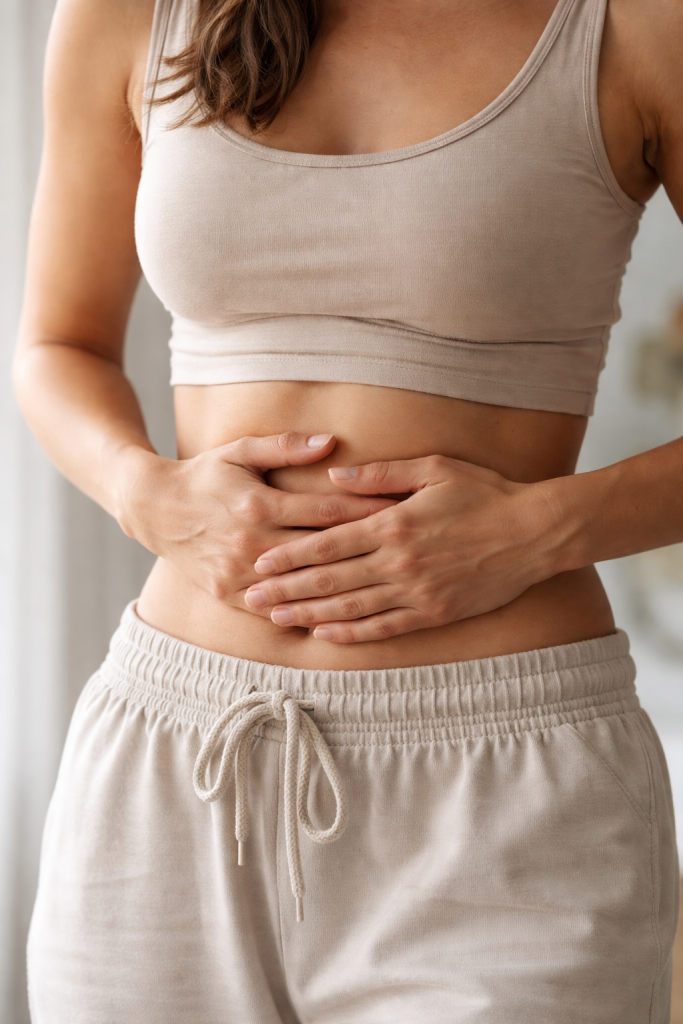
Histamine intolerance symptoms are often linked to food reactions, because histamine accumulates when the body cannot properly break down histamine from foods. Symptoms often appear after eating histamine-rich foods or drinking alcohol. However they are not solely driven by the ingestion of those foods.
Common symptoms include:
- Headaches or migraines
- Facial flushing
- Nasal congestion or sinus symptoms
- Digestive issues such as bloating, reflux, gas, diarrhoea or constipation
- Hives, itching or skin rashes
- Food sensitivities
- Fatigue or brain fog after meals
- Menstrual symptoms such as PMS, heavy periods, menstrual migraines
Symptoms may fluctuate depending on dietary histamine load and digestive health.
Symptoms of Mast Cell Activation Syndrome (MCAS)
MCAS tends to cause broader multi-system symptoms because mast cells release many inflammatory chemicals in addition to histamine. Symptoms may occur without a clear food trigger and can be provoked by a wide range of stressors.
Common symptoms include:
- Sudden flushing or feeling overheated
- Heart palpitations or rapid heart rate
- Dizziness or light-headedness
- Anxiety or panic-like episodes
- Brain fog
- Chronic fatigue
- Shortness of breath or asthma-like symptoms
- Hives, itching or skin reactions
- Digestive symptoms such as nausea, cramping or diarrhoea
Symptoms often occur in episodes or “flares” and may affect multiple body systems at once.
Why These Conditions Often Overlap
In clinical practice, histamine intolerance and mast cell activation frequently co-exist. For example:
- Gut inflammation may reduce DAO enzyme activity (causing histamine build-up)
- Chronic infections may trigger mast cell activation
- Environmental toxin exposure can increase immune reactivity (triggering histamine release)
- Ongoing inflammation can disrupt histamine metabolism
One or more of these scenarios may be impacting someone. Because of this overlap, some people experience both food-triggered histamine reactions and broader mast cell symptoms.
A thorough assessment of gut health, immune regulation and environmental exposures is often needed to understand the root cause.
Chronic Inflammatory Response Syndrome (CIRS)
In some cases, ongoing histamine intolerance or mast cell activation may be driven by an underlying condition known as Chronic Inflammatory Response Syndrome (CIRS).
CIRS is a chronic inflammatory illness triggered by exposure to biotoxins, most commonly from water-damaged buildings, mould, or environmental toxins. These exposures can dysregulate the immune system, leading to persistent inflammation.
Sources of biotoxin exposure include:
- Mould and water-damaged buildings
- Fungal toxins (mycotoxins)
- Blue-green algae (cyanobacteria)
- Tick or spider bites
- Contaminated seafood (ciguatera toxin)
- Environmental chemicals such as VOCs
Unlike histamine intolerance, which is primarily related to histamine breakdown, or MCAS, which involves mast cell activation, CIRS represents a broader immune and inflammatory response to environmental toxins.
Many individuals with CIRS experience symptoms similar to histamine intolerance or MCAS, including:
- Fatigue and brain fog
- Headaches
- Sinus congestion
- Sensitivity to light, sound or chemicals
- Digestive disturbances
- Mood changes such as anxiety
Because of symptom overlap, addressing underlying environmental exposures can be an important part of treatment, particularly when symptoms persist despite dietary changes or histamine-focused support.
In clinical practice, identifying and addressing underlying drivers such as CIRS can be key to achieving long-term symptom relief.

Possible Triggers and Contributing Factors
Several underlying factors can contribute to histamine intolerance or mast cell activation. These may include:
- Gut dysbiosis or SIBO (small intestinal bacterial overgrowth)
- Chronic infections
- Mould exposure or water-damaged buildings (possible CIRS)
- Nutrient deficiencies
- Chronic stress (cortisol activates mast cells)
- Hormonal fluctuations (oestrogen promotes histamine release)
- Genetic variations affecting histamine metabolism (such as MTHFR polymorphisms)
- Certain medications
Identifying these drivers is often essential for long-term improvement.
How Naturopathic Medicine Can Help
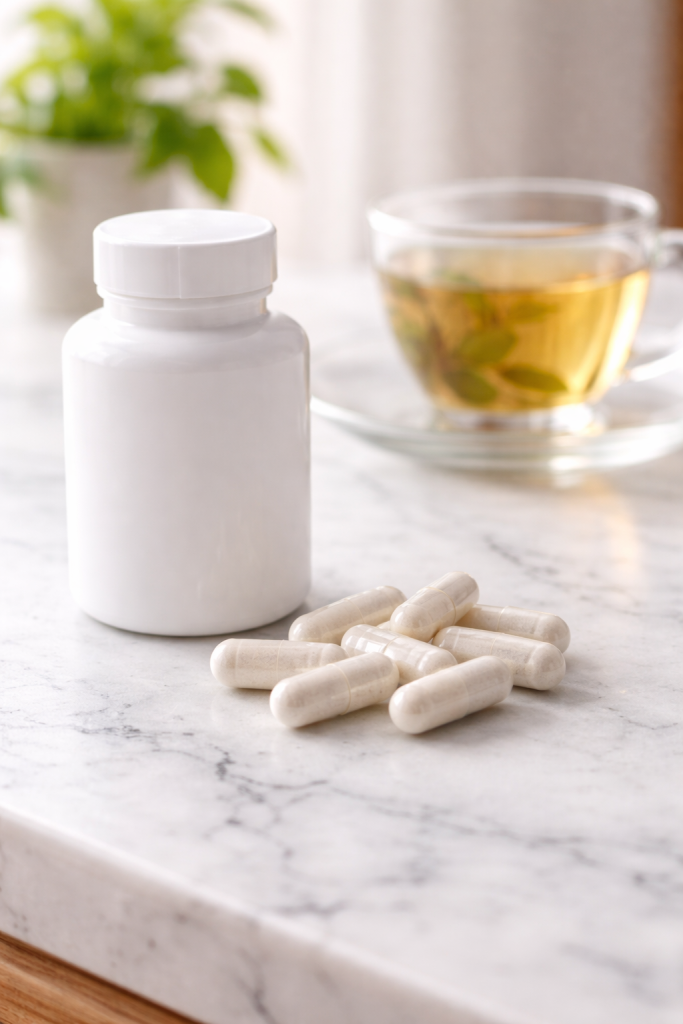
Managing histamine-related conditions requires a whole-body approach. Rather than focusing only on symptom suppression, naturopathic treatment aims to identify and address the underlying drivers contributing to histamine overload.
Treatment may include:
Supporting histamine breakdown
- Supporting DAO enzyme function
- Supporting methylation pathways
- Nutrient support such as B vitamins, vitamin C and copper (needed for DAO production)
Improving gut health
- Addressing dysbiosis or SIBO
- Supporting gut barrier integrity
- Improving digestive function
Hormonal modulation
- Assessing and modulating hormone levels (according to life stage)
- Promoting healthy oestrogen and progesterone balance (progesterone stabilises mast cells)
Reducing mast cell activation
- Mast cell stabilising nutrients and herbs
- Anti-inflammatory dietary strategies
Identifying triggers
- Food reactions
- Environmental exposures & chemical sensitivities
- Stress and lifestyle factors
Each treatment plan is individualised based on a patient’s symptoms, health history and underlying drivers.
Frequently Asked Questions
What foods are high in histamine?
Common high-histamine foods include:
- Aged cheeses
- Alcohol (especially wine)
- Fermented foods
- Processed meats
- Vinegar and pickled foods
- Some seafood
- Leftovers (histamine increases as food ages)
However, food triggers vary between individuals.
Is histamine intolerance the same as a food allergy?
No. Food allergies involve an immune reaction mediated by IgE antibodies.
Histamine intolerance occurs when the body cannot break down histamine effectively, causing symptoms that resemble an allergic reaction (but are not).
Can you have both histamine intolerance and MCAS?
Yes. Some people experience both impaired histamine breakdown and mast cell activation, which can make symptoms more complex.
Why do symptoms come and go?
Histamine levels in the body fluctuate depending on factors such as:
- Diet
- Stress levels
- Hormonal fluctuations
- Environmental exposures
- Sleep and immune function
This is why symptoms can sometimes appear unpredictable.
Book a Consultation
If you suspect histamine intolerance, mast cell activation or CIRS may be contributing to your symptoms, personalised support can help identify the underlying drivers.
Naturopathic care focuses on addressing the root causes of histamine imbalance and supporting the body’s ability to restore balance.
Book a consultation to explore a personalised treatment plan.

Histamine & Women’s Hormones
Many women notice that their symptoms are not constant, but instead fluctuate throughout their cycle. This is because histamine intolerance and hormones are closely interconnected, particularly oestrogen.
Oestrogen can trigger increased histamine release and the body may struggle to break it down. As a result, when oestrogen levels are higher relative to progesterone, histamine symptoms can worsen. This can lead to:
- Migraines or headaches before your period
- Increased anxiety or irritability
- Skin flare-ups or hives
- Poor sleep
- Digestive symptoms or bloating
- Heightened food sensitivities
For some women, symptoms are most noticeable:
- Pre-menstrually
- Around ovulation
- During perimenopause
These are times when oestrogen levels are increased.
Because of this connection, histamine intolerance and mast cell activation are often closely linked with hormonal imbalances such as PMS, perimenopause and in cases of oestrogen dominance.
A key part of treatment is not just reducing histamine — but also supporting healthy hormone balance.
If you are experiencing hormonal symptoms alongside histamine issues, you can learn more here:

Could Ehlers-Danlos Syndrome Be Behind Your Chronic Pain?
When chronic pain is difficult to explain, it can be worth looking beyond the pain itself and considering the bigger picture. Are you unusually flexible? Do some of your joints move beyond what seems normal — even if it’s only one area, such as your knees? Do you frequently sprain, strain or injure yourself? Do
Could Your Breast Implants Be Making You Sick?
Breast implants have been marketed for decades as a safe and long-lasting cosmetic procedure. However, many women around the world report developing a cluster of chronic and often debilitating symptoms after receiving implants. This collection of symptoms has become known as Breast Implant Illness (BII). Although BII is not yet formally recognised by all medical
Histamine Intolerance – what is it and how can we treat it?
Most people associate histamine with seasonal allergies like runny noses, itchy eyes, and skin rashes. But this powerful molecule plays a much larger role in the body. Histamine is also involved in brain function, gastric acid secretion, immune signalling, and reproductive health. For some, however, histamine becomes a problem because the body can’t break it
Healing Acne Naturally: How Gut Health, Hormones, and Diet Impact Your Skin
When patients come to see me for acne, I often feel a deep connection because I’ve been there too. I vividly remember my own acne journey during my teens and into my 20’s: the lack of self-esteem, the embarrassment, and the distress of waking up each morning to find new sore spots. Unless you’ve struggled
Fibromyalgia Flares – tips to manage them
Unfortunately, living with fibromyalgia often means dealing with pain flares from time to time. Flares can occur when there has been a period of stress, an injury, hormonal changes, poor sleep, a lot of extra demands being placed on you or not being able to follow your usual nutritional regimen amongst other reasons. The
Let’s Talk Perimenopause
Thankfully women and the health profession are talking about perimenopause more frequently now. In years gone by, menopause was a hush-hush subject, even amongst other women. And perimenopause got barely a mention at all. Now, women are rightfully demanding more attention be paid to the often debilitating symptoms they experience and they are seeking options