
fbpx

Breast Implant Illness: Symptoms, Causes and How Naturopathy Can Help

Breast Implant Illness (BII) is a term used to describe a collection of symptoms that some individuals experience after receiving breast implants. These symptoms can affect multiple body systems and may develop months or even years after surgery.

Many people living with Breast Implant Illness report feeling dismissed or confused about the cause of their symptoms. The condition is not officially recognised by the wider medical community, although it is being increasingly acknowledged that implants may contribute to systemic symptoms in some people.

A naturopathic approach to treating BII focuses on supporting the body holistically whilst investigating potential underlying contributors such as inflammation, immune dysregulation, toxin exposure, detoxification capacity and digestive health.

Common Symptoms of Breast Implant Illness

Symptoms of Breast Implant Illness can vary widely from person to person. Some of the more commonly reported symptoms include:

  • Chronic fatigue
  • Joint &/or muscle pain 
  • Brain fog or difficulty concentrating
  • Anxiety, low mood or mood instability
  • Skin rashes or sensitivities
  • Digestive symptoms such as bloating, IBS  & food sensitivities
  • Menstrual cycle changes eg. cycle irregularity
  • Lowered libido
  • Headaches or migraines
  • Hair loss
  • Autoimmune-type symptoms

Because these symptoms can overlap with other health conditions, it is important to take a comprehensive approach when assessing overall health.

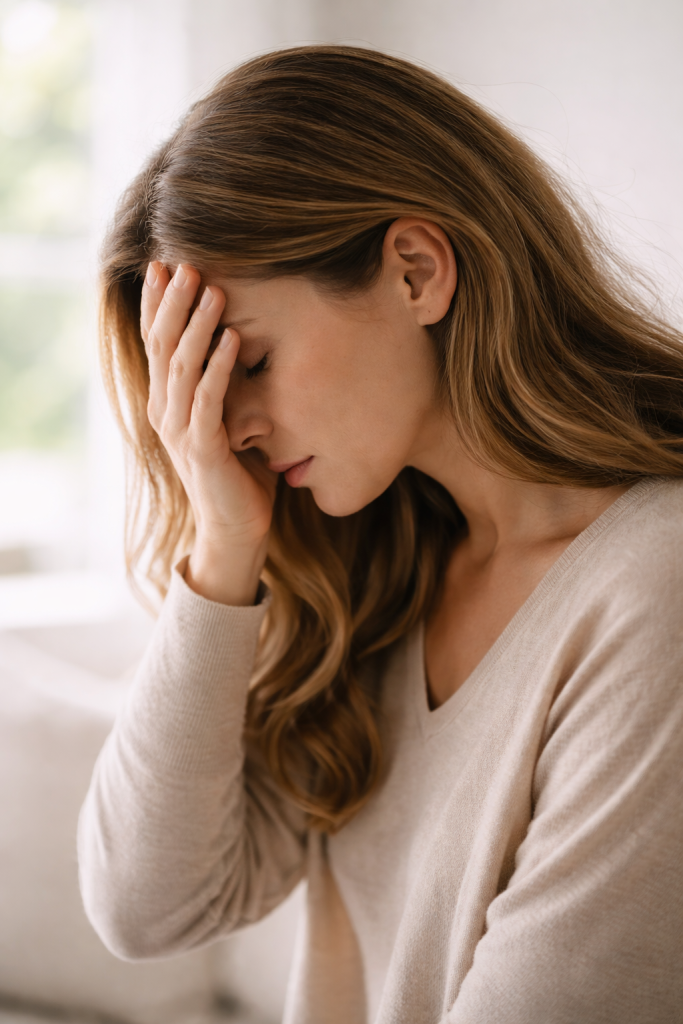
woman in pain

What Causes BII?

Research into Breast Implant Illness is still evolving, however several possible factors are being explored as to what could be contributing to development of BII or worsening its impact. These include:

  • Immune system reactions to implant materials (including the casings)
  • Chronic inflammation within the body
  • High levels of toxins or heavy metals within the body
  • Disruption to the body’s natural detoxification pathways
  • Gut microbiome imbalance
  • Hormonal influence incl. thyroid, cortisol and reproductive hormones
  • Biofilm presence (bacterial or mould colonisation of the implants)

Understanding how these aspects may be playing a role in each person’s symptoms can help guide a more personalised treatment approach.

A Naturopathic Approach to Breast Implant Illness

Naturopathic care focuses on supporting the body’s natural healing processes whilst addressing potential underlying contributors to symptoms.

Treatment is tailored to the person’s symptoms and health history and according to whether they have explanted or not.

It may involve supporting healing after explant or preparing the body for explant surgery. If the patient is not planning to explant, key systems of the body may be supported to reduce potential adverse effects from the implants.

Treatment may include:

  • Herbal medicine – this can be personalised to address aspects such as liver health, immune function, mood, sleep, cognition, digestion and more.
  • Nutritional supplementation – key nutrients may be needed to support crucial biochemical pathways and to correct deficiencies.
  • Strategies to promote detoxification – through use of specific herbs and nutrients, liver-loving foods, movement and daily practices.
  • Gut health support – an integral aspect to address health and vitality and aid recovery.
  • Nervous system regulation and stress support – BII patients have often been distressed for a long time due to their symptoms and health anxiety.

Functional Testing for BII

Testing may be recommended to gain deeper insight into potential drivers of symptoms and to direct treatment.

Testing may include assessment of:

  • Heavy metal toxicity
  • Gut microbiome health
  • Nutrient deficiencies
  • Hormonal panels 
  • Organic Acids Testing (OAT)

What Does Breast Implant Illness Recovery Look Like?

Recovery from BII looks different for everyone. Some women notice improvements relatively quickly, whilst others require longer-term support as the body gradually restores balance. And for some women, sadly, there are long-term health issues that require ongoing management.

Supporting the body through a comprehensive and personalised treatment journey may help improve areas such as:

  • Energy levels
  • Digestive health
  • Cognitive clarity
  • Hormonal balance
  • Sleep quality
  • Inflammation and pain levels
  • Mood stability 

Improvements in these areas can drastically improve one’s overall wellbeing and restore zest for everyday life. 

Frequently Asked Questions About Breast Implant Illness

What is Breast Implant Illness?

Breast Implant Illness (BII) refers to a collection of symptoms that some individuals experience after receiving breast implants. Symptoms are varied and may affect the immune system, nervous system, hormonal balance, digestion and overall wellbeing.


How do I know if I have Breast Implant Illness?

There is no single test that diagnoses Breast Implant Illness. Many women begin to suspect BII when they experience persistent symptoms that began after receiving implants or worsened over time.

Signs that may suggest your body is struggling with the implants include:

  • Unexplained fatigue or chronic exhaustion
  • Ongoing joint pain, muscle pain or headaches & migraines
  • New food sensitivities or digestive symptoms
  • Worsening hormonal symptoms
  • Difficulty recovering from illness
  • Unexplained neurological symptoms such as brain fog, memory loss, confusion

It is important to see a health professional to determine what may be causing these symptoms. 

Can naturopathy help with BII?

Naturopathy cannot diagnose or cure Breast Implant Illness. However, it can support many aspects of health that may contribute to symptoms such as inflammation, gut health, detoxification capacity and nutrient deficiencies.

Many patients seek naturopathic care to improve their overall health and wellbeing, either post-explant or whilst they still have their implants .

Do I need to remove my implants?

This is a highly personal decision that should be discussed with your medical practitioner or surgeon. Some women choose explant surgery, both to relieve current symptoms and to improve future health outcomes. Others focus on supporting their health whilst keeping their implants.

Naturopathic care can support overall health regardless of the path chosen.

What tests are helpful for Breast Implant Illness?

Depending on symptoms, testing may be recommended to explore areas such as gut and microbiome health, nutrient levels, hormone levels and toxin exposure – these are just a few testing examples. Testing helps guide a more strategic treatment approach. 

Can I work with you if I live outside Lennox Head?

Yes. Online consultations are available for patients across Australia, allowing you to access naturopathic support wherever you are located. In-person consultations are also available in Lennox Head, NSW on Fridays.

Support for Breast Implant Illness

If you are suffering from Breast Implant Illness, or suspect you may have BII, and would like to seek a natural approach to feeling better, I can help. 

Appointments are available:

• Online Australia-wide
• In person in Lennox Head, NSW

Book a consultation to begin your naturopathic health care plan.

Lauren - Floral Dress
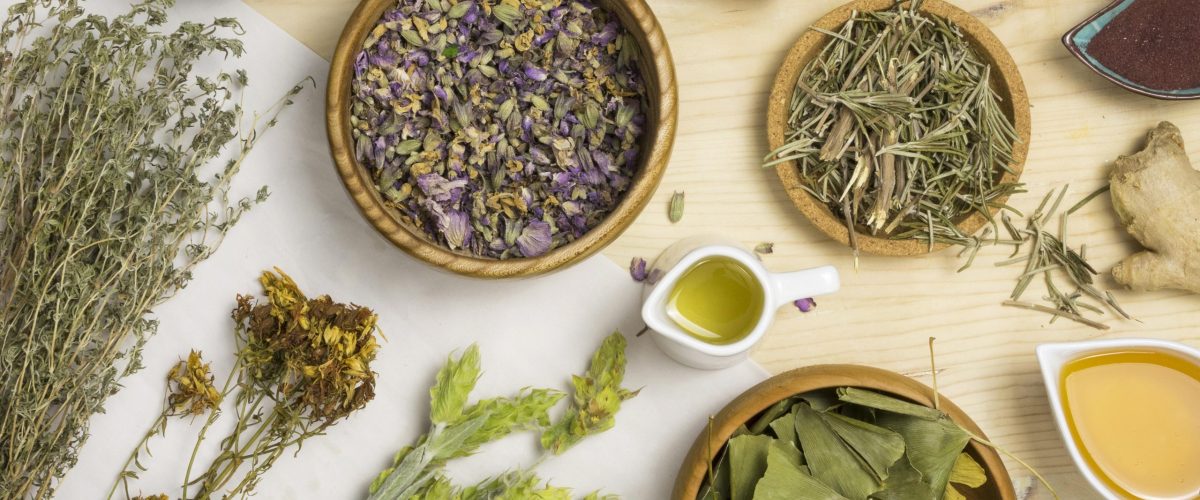
medicinal herbs

Could Your Breast Implants Be Making You Sick?

Breast implants have been marketed for decades as a safe and long-lasting cosmetic procedure. However, many women around the world report developing a cluster of chronic and often debilitating symptoms after receiving implants. This collection of symptoms has become known as Breast Implant Illness (BII). Although BII is not yet formally recognised by all medical

Read More »

Histamine Intolerance – what is it and how can we treat it?

Most people associate histamine with seasonal allergies like runny noses, itchy eyes, and skin rashes. But this powerful molecule plays a much larger role in the body. Histamine is also involved in brain function, gastric acid secretion, immune signalling, and reproductive health. For some, however, histamine becomes a problem because the body can’t break it

Read More »

Fibromyalgia Flares – tips to manage them

Unfortunately, living with fibromyalgia often means dealing with pain flares from time to time. Flares can occur when there has been a period of stress, an injury, hormonal changes, poor sleep, a lot of extra demands being placed on you or not being able to follow your usual nutritional regimen amongst other reasons. The duration

Read More »

Let’s Talk Perimenopause

Thankfully women and the health profession are talking about perimenopause more frequently now. In years gone by, menopause was a hush-hush subject, even amongst other women. And perimenopause got barely a mention at all. Now, women are rightfully demanding more attention be paid to the often debilitating symptoms they experience and they are seeking options
Read More »
Olive oil and herbs

Vegetable & seed oils – healthy or unhealthy?

They may sound like they would be healthy. However, vegetable and seed oils are increasingly being thought of as anything but healthy. The oils I am referring to include: • Canola oil• Sunflower oil• Safflower oil• Soybean oil• Grapeseed oil• Cottonseed oil• Palm oil• Peanut oil• Rice bran oil These highly refined seed and vegetable

Read More »