Endometriosis: Understanding the Causes, Symptoms & Naturopathic Support

Endometriosis is a chronic condition in which tissue similar to the lining of the uterus grows outside the uterine cavity, most commonly within the pelvis. It can cause significant pelvic pain, painful periods, heavy bleeding, digestive and urinary symptoms and, for some women, difficulties with fertility.
But endometriosis is about much more than painful periods.
It involves a complex interaction between inflammation, immune function, hormones, the nervous system and the gut microbiome, which is why taking a whole-body approach can be valuable when supporting women with endometriosis.
What causes endometriosis?
The exact cause of endometriosis is still not fully understood. One theory is retrograde menstruation, whereby menstrual tissue flows backwards through the fallopian tubes into the pelvic cavity. However, retrograde menstruation occurs in many women who do not develop endometriosis, suggesting that other factors are involved.
Research points towards a combination of:
- Immune dysfunction
- Chronic inflammation
- Oestrogen signalling
- Oxidative stress
- Genetic susceptibility
- Alterations in the microbiome
- Changes in tissue adhesion and blood vessel formation
Endometriosis is therefore not simply a hormonal condition. Whilst oestrogen plays an important role in the growth and activity of endometriosis lesions, the immune and inflammatory environment also appears to be important.
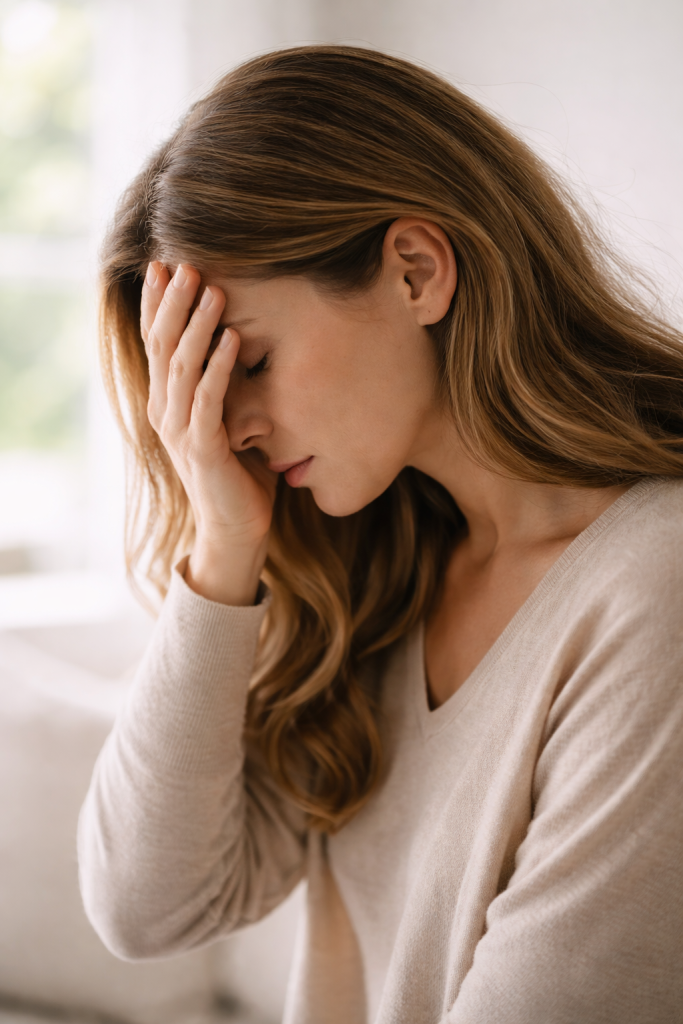
What are the symptoms of endometriosis?
Symptoms can vary considerably between women, and importantly, the severity of symptoms does not always correspond to the extent of disease. Some women may even have endometriosis with relatively few symptoms.
Common symptoms can include:
Period and pelvic symptoms:
- Severe period pain (dysmenorrhoea)
- Pelvic pain, which may occur outside menstruation
- Heavy or prolonged periods
- Premenstrual spotting
- Pain around ovulation
- Pain during or after sex
- Pelvic or abdominal pain
Digestive symptoms:
Endometriosis can occur close to, or involve, the bowel, and many women experience digestive symptoms that fluctuate with their menstrual cycle. These may include:
- Bloating
- Constipation
- Diarrhoea
- Nausea
- Abdominal pain
- Pain with bowel movements
- Increased bowel symptoms around menstruation
Other symptoms
Some women also experience:
- Fatigue
- Headaches or migraines
- Dizziness or fainting
- Recurrent urinary symptoms
- Anxiety or low mood
- Fertility difficulties
Keeping a pain and symptom journal alongside your menstrual cycle can be particularly useful for identifying patterns and understanding how much endometriosis is affecting your daily life.
Endometriosis, inflammation and pain
Inflammation is a major feature of endometriosis.
Endometrial lesions are associated with inflammatory cells and inflammatory mediators within the pelvic environment. These can contribute to local inflammation, tissue changes and the formation of adhesions.
Mast cells may also play a role. When activated, mast cells release compounds including histamine, prostaglandins and other inflammatory mediators that can contribute to pain and sensitisation.
Over time, ongoing pain can also influence the nervous system. Chronic pain activates the body’s stress response, while the ongoing impact of pain can affect sleep, mood, work, relationships and quality of life.
This is one reason why I don’t look at the menstrual cycle or pelvic pain in isolation when supporting someone with endometriosis.
The connection between endometriosis and hormones
Endometriosis is an oestrogen-dependent condition, meaning oestrogen plays an important role in the growth and activity of endometriosis tissue.
However, this doesn’t necessarily mean that you simply have “too much oestrogen”.
The relationship between oestrogen and progesterone signalling, inflammation and the local environment surrounding endometriosis lesions is more complex.
Rather than simply trying to “balance hormones”, I look at the broader picture, including menstrual patterns, symptoms, inflammation, liver and digestive function, nutrient status and factors that may influence hormone metabolism.
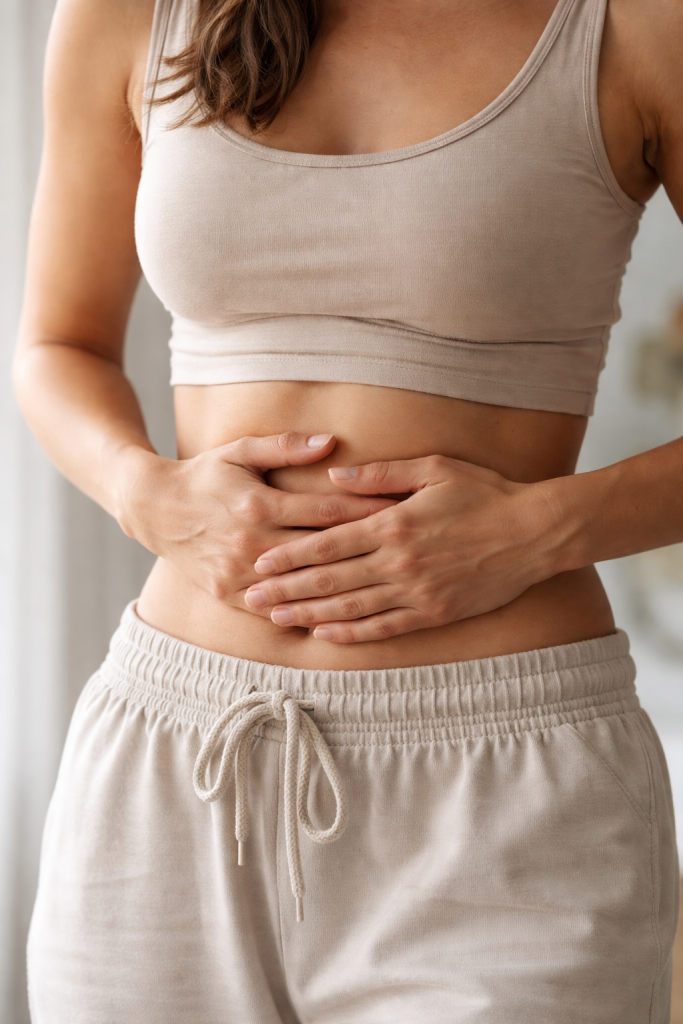
Endometriosis and gut health
There is growing interest in the relationship between endometriosis and the gut microbiome.
Women with endometriosis may experience alterations in their gut and reproductive microbiomes, and dysbiosis may contribute to inflammation and changes in oestrogen metabolism.
This is particularly relevant when digestive symptoms occur alongside endometriosis.
If you experience bloating, constipation, diarrhoea, abdominal pain or significant changes in bowel movements around your period, your digestive health is an important part of the picture.
Rather than automatically prescribing a highly restrictive diet, I prefer to consider your individual symptoms, dietary patterns and digestive health before deciding what changes may be appropriate.
Can diet help with endometriosis?
Diet isn’t a cure for endometriosis, but it can be an important part of symptom management.
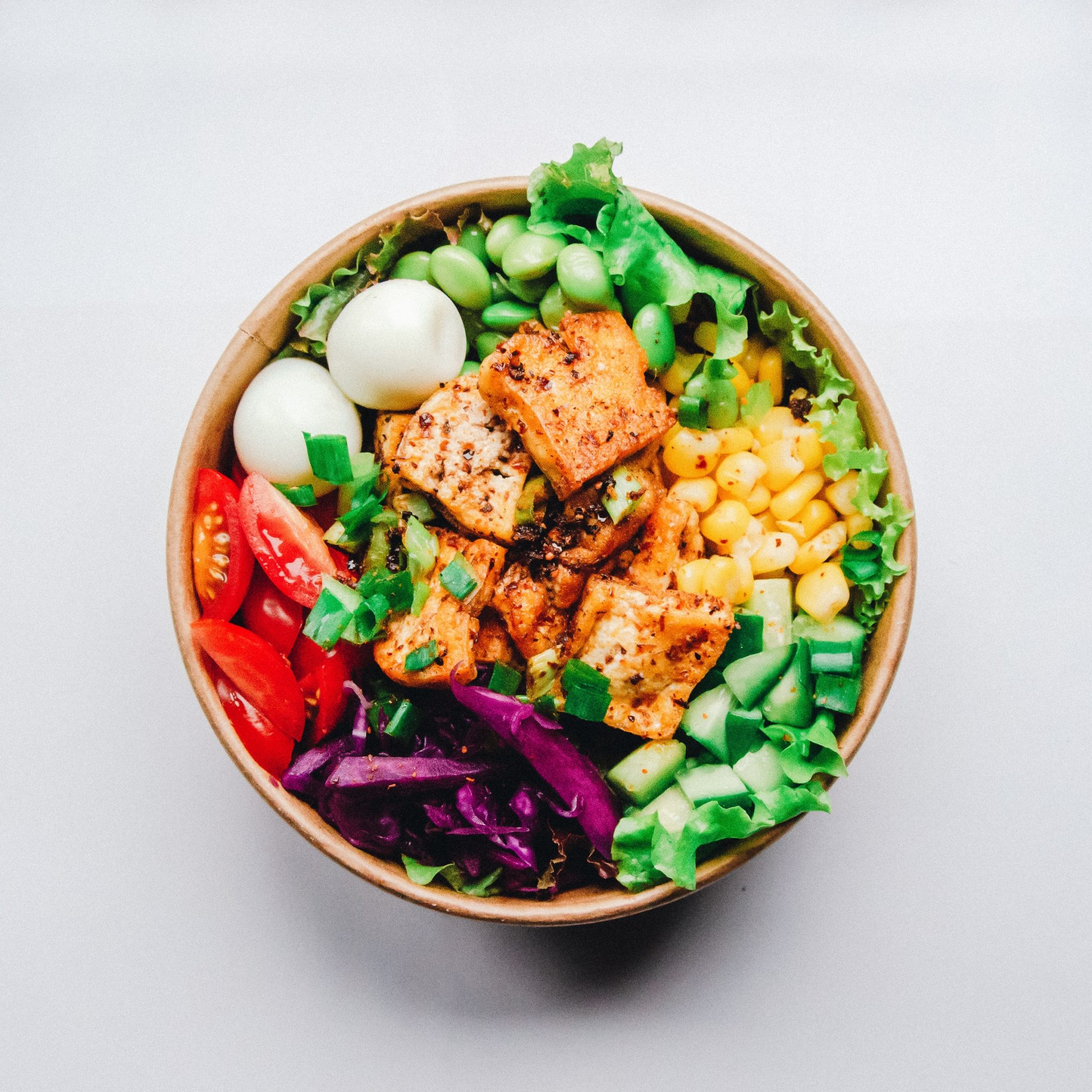
A dietary approach I commonly consider is an anti-inflammatory, Mediterranean-style diet, with an emphasis on:
- Plenty of colourful vegetables and fruit
- Fibre-rich whole foods
- Omega-3-rich foods such as oily fish
- Nuts and seeds where tolerated
- Adequate good quality protein
- Minimal highly processed foods, refined sugars and trans fats
Some women may also notice that particular foods aggravate their digestive symptoms or pain. However, restrictive diets such as low-FODMAP or gluten-free diets aren’t necessarily appropriate for everyone.
The goal is to find a sustainable approach that supports nutrition, gut health and inflammation without unnecessarily restricting your diet.
Naturopathic treatment for endometriosis
Naturopathic support is generally focused on managing symptoms and supporting the underlying factors that may contribute to inflammation and pain.
Depending on the individual, this can involve making dietary changes, herbal medicine, supplemental nutrients, liver and gut microbiome support, strategies to support the body’s inflammatory response. And very importantly, support for the nervous system and stress response.
There is no single supplement or “endometriosis diet” that works for every woman.
Your treatment plan should be individualised according to your symptoms, medical history, medications, nutritional status and other health concerns.
Testing that can be useful
Depending on your symptoms and health history, functional and nutritional testing may provide additional information to help guide an individualised treatment plan.
Relevant tests may include: gut microbiome stool testing; hormonal assessment such as DUTCH testing; thyroid function panel; iron studies; vitamin D, B12, folate and other markers where appropriate.
Testing is not necessary for everyone, and I select investigations based on your individual symptoms, medical history and treatment goals rather than using a standard panel for every woman.
Frequently Asked Questions About Endometriosis
Is endometriosis a hormonal condition?
Hormones, particularly oestrogen, play an important role in endometriosis. However, endometriosis is more complex than simply having “unbalanced hormones”. Immune function, inflammation, oxidative stress, genetics and the microbiome may also contribute.
What are the most common symptoms of endometriosis?
Severe period pain, pelvic pain, heavy or prolonged periods, pain during sex, bowel symptoms, fatigue and fertility difficulties are common. Symptoms can vary significantly between women.
Can endometriosis cause digestive problems?
Yes. Many women with endometriosis experience bloating, constipation, diarrhoea, nausea or abdominal pain, particularly around menstruation. Endometriosis can also occur close to or involve the bowel.
Can changing my diet help endometriosis?
Diet may help support symptom management, particularly where inflammation or digestive symptoms are involved. An anti-inflammatory, Mediterranean-style eating pattern can be a useful foundation. However, dietary changes should be individualised rather than relying on highly restrictive diets.
Is there a connection between endometriosis and gut health?
There appears to be a relationship between endometriosis, inflammation and the microbiome. Digestive symptoms are common in women with endometriosis, making gut health an important area to consider as part of a broader treatment approach.
Can endometriosis affect fertility?
Yes. Endometriosis can affect fertility through inflammation, adhesions and changes to pelvic anatomy. If you are experiencing difficulties conceiving, appropriate medical assessment is important.
Can endometriosis cause pain outside of my period?
Yes. While pain is often associated with menstruation, endometriosis can cause chronic or cyclical pelvic pain that occurs at other times of the month.
Do I need surgery if I have endometriosis?
Treatment decisions depend on your individual symptoms, disease severity, fertility goals and medical history. Naturopathic care should complement, rather than replace, appropriate medical and gynaecological care.
Can naturopathy cure endometriosis?
Endometriosis is a complex chronic condition, and naturopathic care should not be viewed as a replacement for medical diagnosis or specialist treatment.
However, naturopathic support may have a role alongside conventional care, particularly when the goal is to help manage symptoms, support hormonal health, address digestive health and inflammation, and improve overall quality of life.
If you haven’t been formally diagnosed but are experiencing significant period pain, pelvic pain or other symptoms suggestive of endometriosis, I recommend discussing your symptoms with your GP or gynaecologist.
Let me help you
If you’re looking for naturopathic support for endometriosis, book a 15 Minute Compatibility Call to see if I may be the right practitioner for you.
Or book an Initial Consultation to get started on your natural health journey.

Could Ehlers-Danlos Syndrome Be Behind Your Chronic Pain?
When chronic pain is difficult to explain, it can be worth looking beyond the pain itself and considering the bigger picture. Are you unusually flexible? Do some of your joints move beyond what seems normal — even if it’s only one area, such as your knees? Do you frequently sprain, strain or injure yourself? Do
Could Your Breast Implants Be Making You Sick?
Breast implants have been marketed for decades as a safe and long-lasting cosmetic procedure. However, many women around the world report developing a cluster of chronic and often debilitating symptoms after receiving implants. This collection of symptoms has become known as Breast Implant Illness (BII). Although BII is not yet formally recognised by all medical
Histamine Intolerance – what is it and how can we treat it?
Most people associate histamine with seasonal allergies like runny noses, itchy eyes, and skin rashes. But this powerful molecule plays a much larger role in the body. Histamine is also involved in brain function, gastric acid secretion, immune signalling, and reproductive health. For some, however, histamine becomes a problem because the body can’t break it
Healing Acne Naturally: How Gut Health, Hormones, and Diet Impact Your Skin
When patients come to see me for acne, I often feel a deep connection because I’ve been there too. I vividly remember my own acne journey during my teens and into my 20’s: the lack of self-esteem, the embarrassment, and the distress of waking up each morning to find new sore spots. Unless you’ve struggled
Fibromyalgia Flares – tips to manage them
Unfortunately, living with fibromyalgia often means dealing with pain flares from time to time. Flares can occur when there has been a period of stress, an injury, hormonal changes, poor sleep, a lot of extra demands being placed on you or not being able to follow your usual nutritional regimen amongst other reasons. The
Let’s Talk Perimenopause
Thankfully women and the health profession are talking about perimenopause more frequently now. In years gone by, menopause was a hush-hush subject, even amongst other women. And perimenopause got barely a mention at all. Now, women are rightfully demanding more attention be paid to the often debilitating symptoms they experience and they are seeking options